By Dr Nsah Mala, Coordinator, Cologne UNESCO-MOST BRIDGES Thematic Hub for Planetary Wellbeing
On Tuesday 16 June 2026, the University of Cologne (UoC) held its Fourth Sustainability Forum under the theme “Sharing a Planet: Sustainability Transitions and Environmental Justice.” Organized by the Vice-Rectorate for Sustainability and the Sustainability Office in cooperation with the Sustainability Research Hub and the Faculty of Arts and Humanities, the forum brought together students, researchers, teaching staff, and external guests for a full day of dialogue, keynotes, panel discussions, workshops, and a poster exhibition. For the first time, the forum was open to external partners and guests. The Cologne UNESCO-MOST BRIDGES Thematic Hub for Planetary Wellbeing was actively present throughout the day, and this post reflects on some of our key contributions and highlights.
A Poetic Opening: Arts and Humanities at the Heart of the Forum
Perhaps the most memorable moment of the entire day came right at the beginning. Our MESH colleague and doctoral researcher Tanya Gautam opened the forum not with statistics or policy frameworks, but with poetry. She read two poems: one in English, written in an epistolary style addressed to her beloved dog, and another in German, which turned to the more-than-monetary costs of living and explored our indebtedness to other lifeforms. In doing so, Tanya placed the arts and humanities at the very heart of a forum dedicated to sustainability, offering what felt like a pair of poetic prayers for the planet and for all the beings we share it with. It was a quietly powerful reminder that sustainability is not only a technical or political challenge. It is also an ethical, emotional, and imaginative one, and this kind of opening perfectly embodies the spirit of BRIDGES.
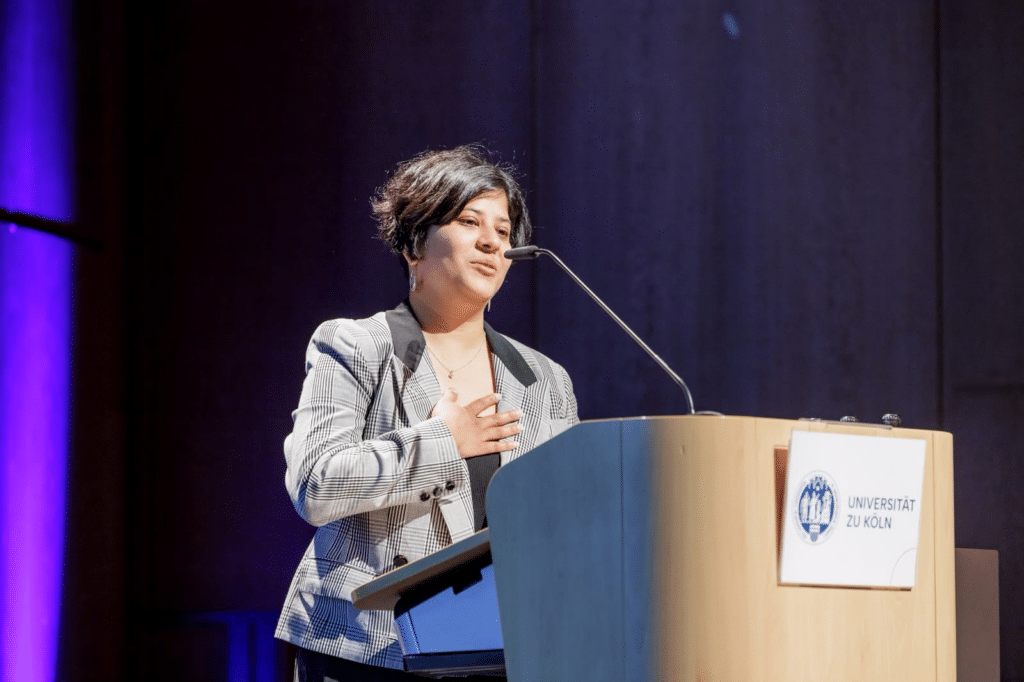
Photo: Ludolf Dahmen | University of Cologne
Keynotes: Environmental Humanities and Global South Perspectives
The morning keynote sessions set a high intellectual bar for the rest of the day. Prof Dr Kate Rigby, Alexander von Humboldt Professor of Environmental Humanities and MESH and BRIDGES Director, delivered the first keynote on “Cultural Sustainability, Cohabitability and Ecological Justice: Critical Zones of Sustainability Research in the Humanities,” making a compelling case for expanding our understanding of environmental justice into a broader, more-than-human ecological justice, one that recognises the claims of all living beings on a shared and vulnerable planet. The second keynote came from Prof Dr Boris Braun, Professor of Economic Geography and Environmental Change and GSSC member, who spoke on “Adaptation to Environmental Change in Coastal Regions of the Global South.” Prof Braun illuminated the strikingly diverse ways in which communities respond to the local manifestations of global sea-level rise, showing how such responses are always entangled with specific cultural and economic relations rather than following any single pattern. Together, the two keynotes offered a productive complementarity that ran through the rest of the day.
Our MESH and BRIDGES Co-Director, Prof Dr Franz Krause, who also played an important role in organising the forum, setting its theme, and selecting speakers, was one of the most consistently present voices throughout the day, contributing to two separate discussion slots.
Showcasing BRIDGES: Poster Exhibition and the Sustainability Action Fund
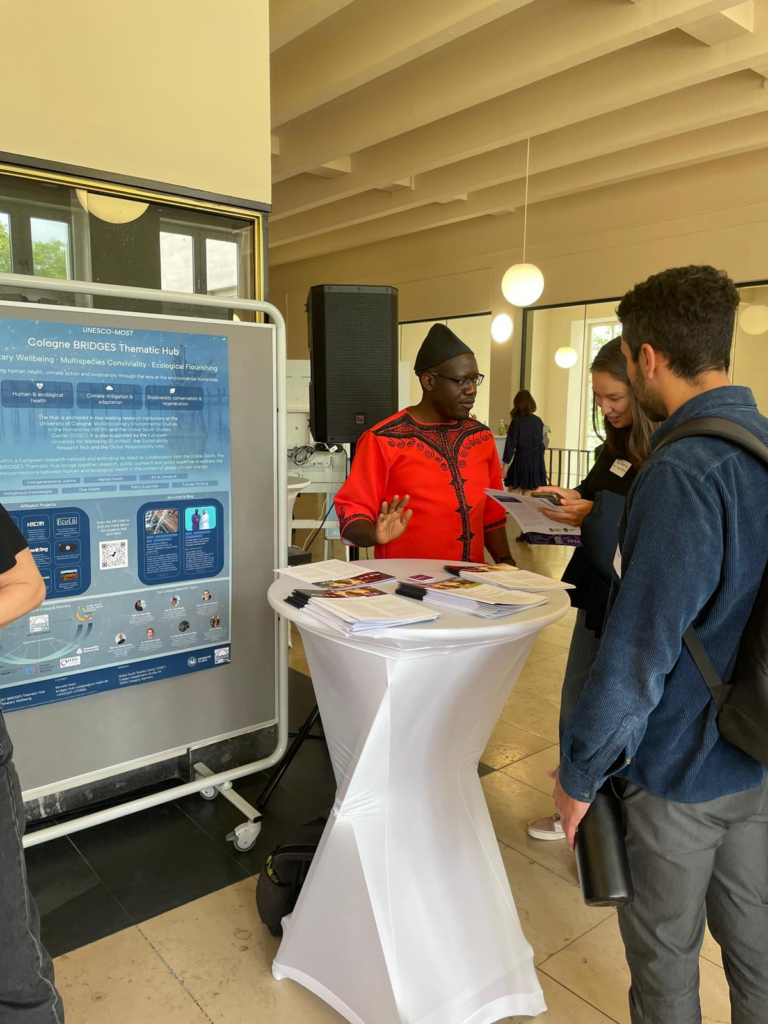
During the morning session, Dr Nsah Mala and Dr Christoph Lange staffed the Cologne BRIDGES Hub poster, introducing our work on Planetary Wellbeing, Multispecies Conviviality, and Ecological Flourishing to curious participants from across the university and beyond. We also distributed copies of MESH Leaf IV, our June 2026 research brief focused on our BRIDGES Cologne Hub, which generated genuine interest and some new contacts. These informal conversations at poster exhibitions are often among the most productive forms of knowledge exchange at events like this.
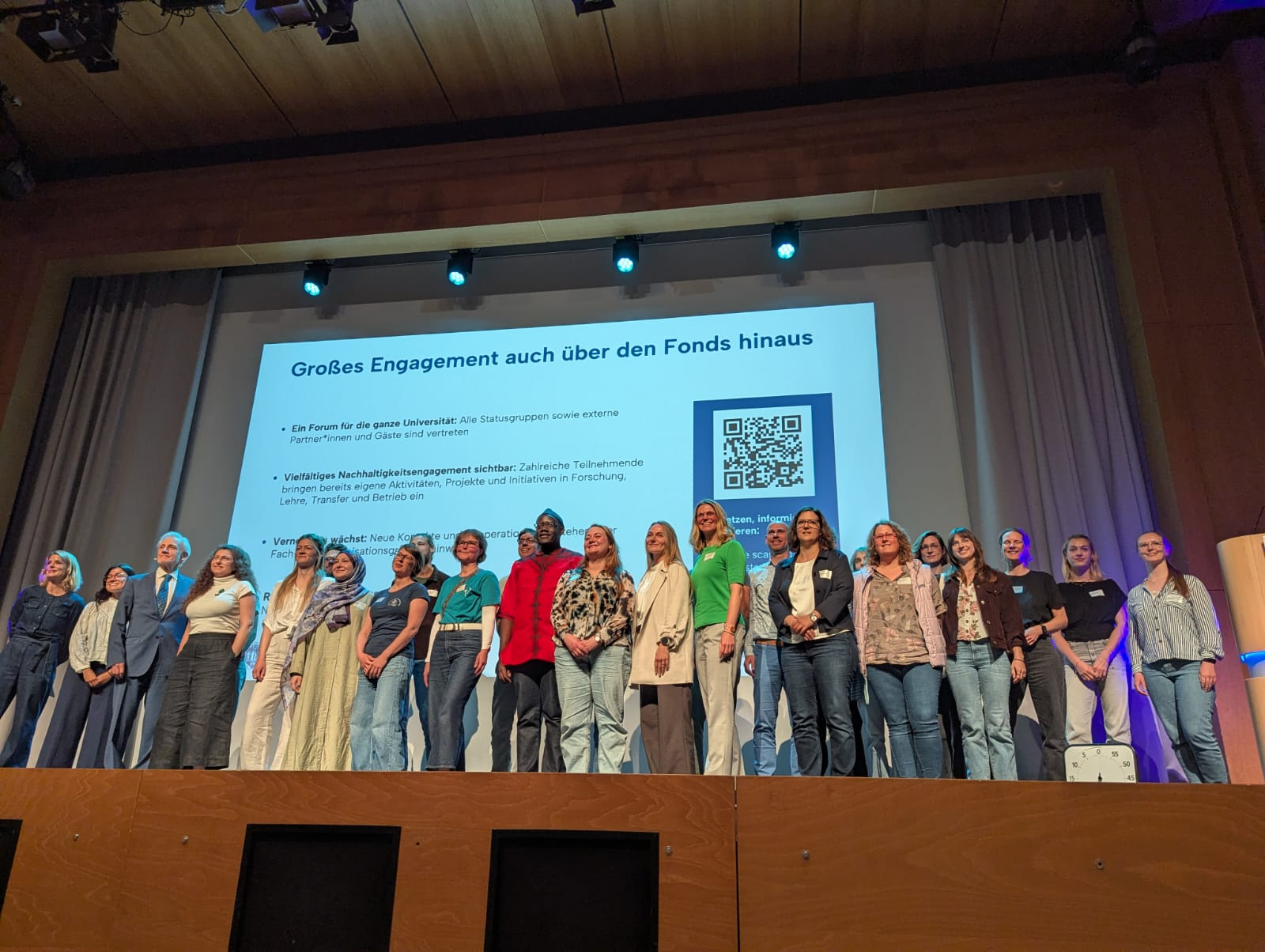
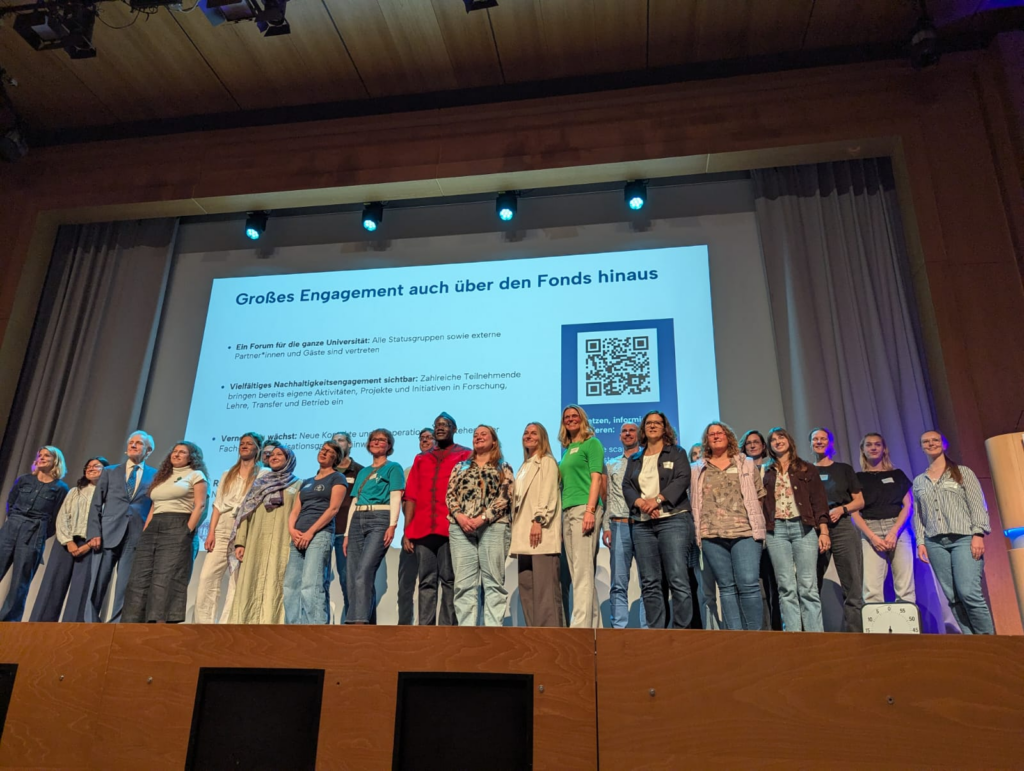
Dr Nsah Mala also joined other beneficiaries of the UoC Sustainability Action Fund on the podium for a brief showcase of funded projects. The Cologne BRIDGES Hub was among the recipients, with support for our upcoming one-day intensive workshop on Planetary Wellbeing and More-than-Human Resilience, slated for later in 2026. While we continue to seek additional funding to expand its scope, the showcase was a welcome opportunity to situate our BRIDGES work within the wider landscape of sustainability initiatives at the University of Cologne.

Foresight and Futures Workshop on Education for Sustainability
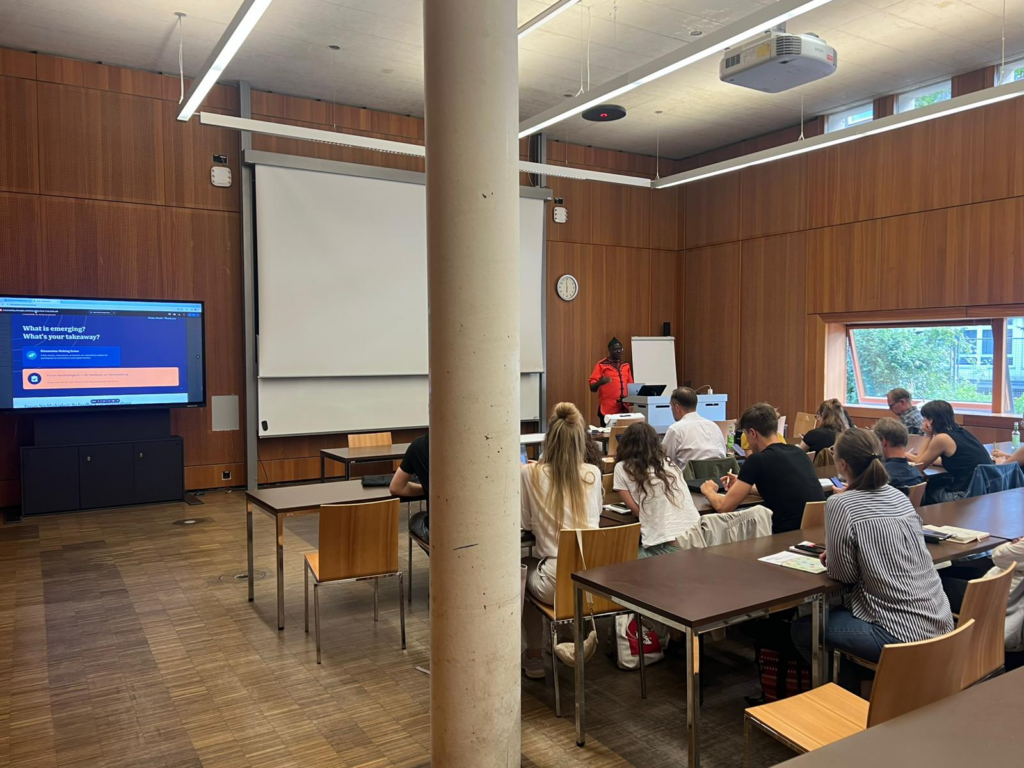
In the late afternoon, Dr Nsah Mala facilitated a 90-minute interactive workshop on “Education for Sustainability in the 21st Century: A Foresight and Futures Workshop,” drawing about 30 active participants from across the university and beyond. Drawing on foresight and futures-thinking methodologies, the workshop invited participants to question the very definition of sustainability, reflect on what kinds of futures current educational models are preparing students for, and imagine more inclusive, transformative alternatives. Their responses were rich and sometimes provocative. Missing from contemporary sustainability education, many argued, were indigenous and local knowledges, voices from the Global South, arts-based learning methods, and the emotional and spiritual dimensions of our relationship with the world.
Using the Futures Triangle framework, participants mapped preferred futures built around community-based learning, epistemic humility, and place-based engagement with living and nonhuman environments. One question stayed with the group long after the session ended: are there historical examples of societies that had fallen off the path and managed to genuinely transform into sustainable communities, rather than collapsing or dispersing? It is exactly the kind of long-horizon question that foresight and futures thinking is designed to hold open, and it felt like a fitting note on which to close a day that had opened with poetry.
Conclusion
The Fourth Sustainability Forum was a rich and stimulating day, and the presence of BRIDGES throughout reflected the growing centrality of humanities-driven sustainability science within the University of Cologne’s institutional landscape. We leave the forum with new connections, renewed energy for our upcoming Planetary Wellbeing workshop as well as the Fair Trade International Symposium (FTIS) 2026 to be hosted by the GSSC and the Competence Center Fair Trade, and a continued conviction that the kind of imagination Tanya Gautam brought to the room with her poems is not a luxury add-on to sustainability work. It is, as BRIDGES has always argued, one of its most essential tools.